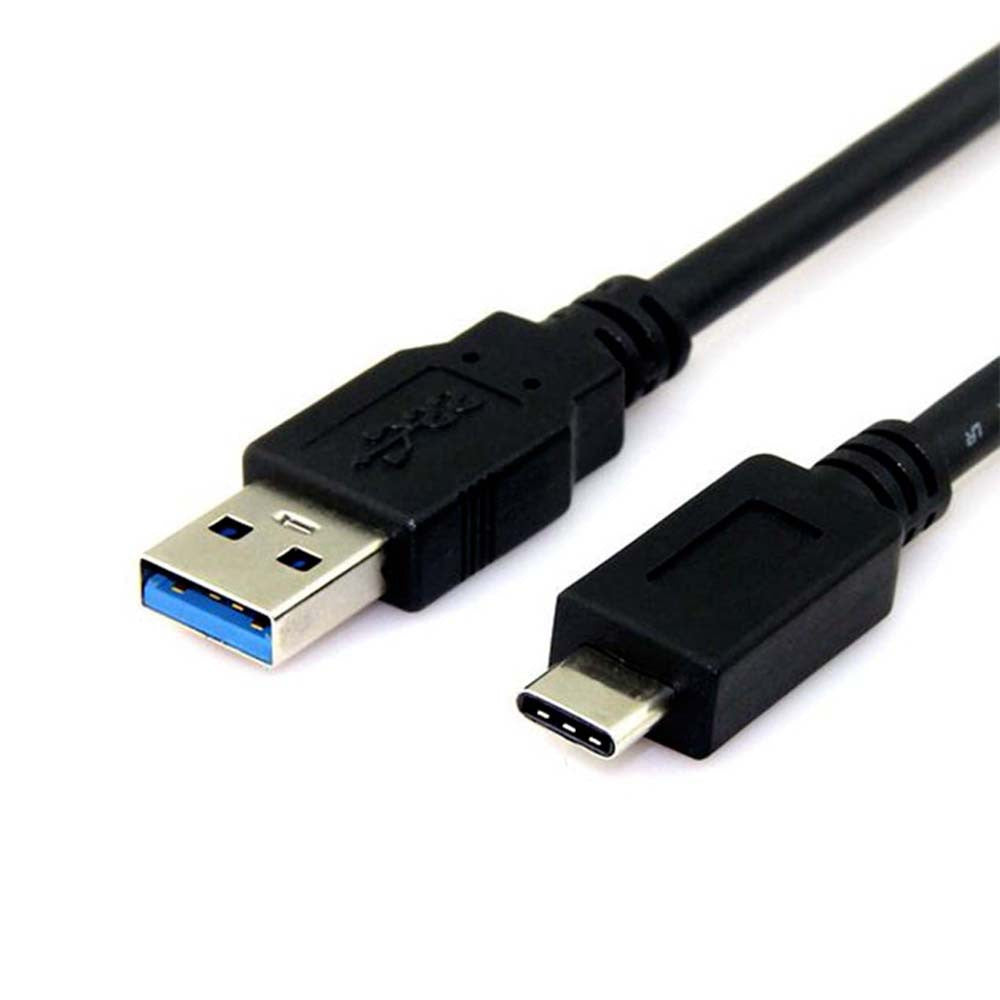
Understanding USB Type-C: How This Versatile Connector Works
USB Type-C is a revolutionary connector that has transformed how we connect and power our devices. Unlike its predecessors, USB Type-A and USB Type-B, which have a fixed orientation, the USB Type-C connector is symmetrically designed, allowing users to plug it in either way. This feature enhances user convenience and reduces wear and tear on the port. The USB-C standard supports data transfer rates of up to 10 Gbps with the USB 3.1 specification, making it suitable for high-speed data transfer. Furthermore, this versatile connector can deliver up to 100 watts of power, enabling fast charging for a wide range of devices from smartphones to laptops.
One of the most notable advantages of USB Type-C is its ability to support various protocols through Alternate Mode. This means that through the same port, users can connect devices for different purposes, such as HDMI, DisplayPort, or Thunderbolt connections. This versatility reduces the need for multiple cables and adapters, streamlining your device connectivity. Additionally, the widespread adoption of USB Type-C across different manufacturers signifies a move towards a universal charging solution, paving the way for a future where an array of devices can share a common connection standard.
Counter-Strike is a highly popular tactical first-person shooter that has captivated gamers since its initial release. Players can choose to join either the Terrorist or Counter-Terrorist teams, competing in various game modes such as Bomb Defusal and Hostage Rescue. The game emphasizes teamwork, strategy, and precise aiming, making it a favorite in the esports community. If you're looking for recommendations, check out the Top 10 Android Charging Cables to enhance your gaming setup!
The Advantages of USB Type-C: Why You Should Make the Switch
USB Type-C is rapidly becoming the universal standard for charging and data transfer, and for good reason. One of the main advantages of USB Type-C is its versatility. Unlike its predecessors, USB Type-C connectors can be plugged in either way, eliminating the frustration of fumbling around to find the correct orientation. Additionally, USB Type-C supports higher power levels, enabling faster charging capabilities for a variety of devices, from smartphones to laptops. With its capability to carry both power and data simultaneously, USB Type-C streamlines the connections we use every day.
Another compelling reason to make the switch to USB Type-C is its compatibility with a wide range of devices. Modern gadgets, including tablets, laptops, and even some peripherals like monitors and keyboards, now feature USB Type-C ports. This unified approach reduces the number of cables and adapters needed, promoting a more organized workspace. Furthermore, as more manufacturers adopt this standard, embracing USB Type-C ensures your devices remain future-proof. In conclusion, transitioning to USB Type-C simplifies your life while enhancing functionality.
Common Myths About USB Type-C Debunked: What You Need to Know
USB Type-C has become increasingly popular, yet various myths surrounding this versatile connector continue to circulate. One common misconception is that all USB Type-C cables can support the same functionalities. In reality, not all USB Type-C cables are created equal; certain cables are only designed for basic charging, while others can deliver power, support video output, and transfer data at high speeds. It's essential to check the specifications of the cable to ensure it meets your needs.
Another myth is that using a USB Type-C cable with a higher wattage charger will damage your devices. This is false, as USB Type-C is designed with smart power delivery capabilities that communicate between the charger and the device to deliver the appropriate amount of power. Thus, using a higher wattage charger is safe, provided the cable is compliant and supports the necessary power standards. Familiarizing yourself with these facts can help you make informed decisions and maximize your USB Type-C experience.