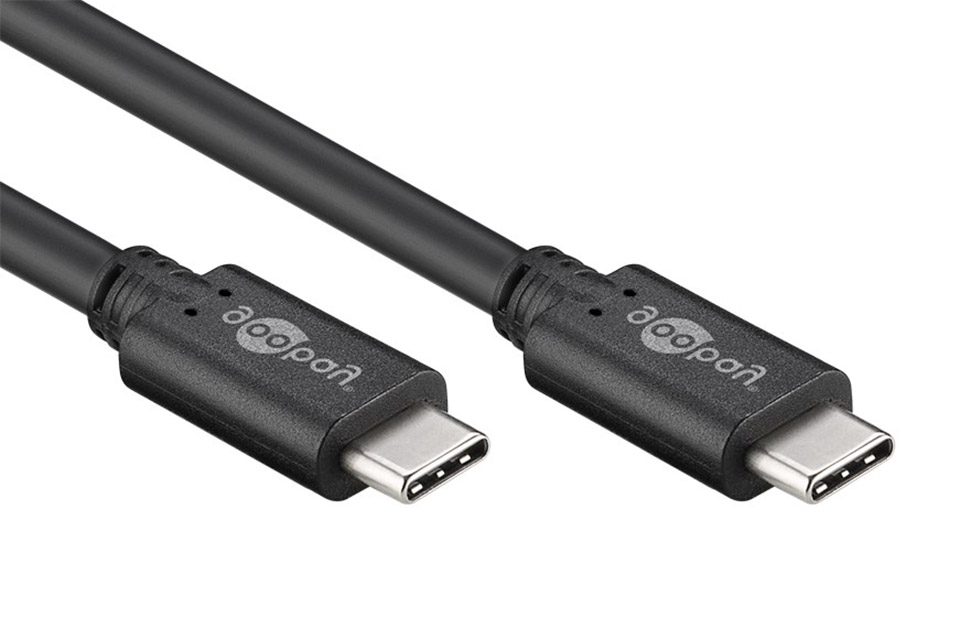
The Evolution of USB-C: How It's Changing Connectivity Forever
Since its introduction in 2014, USB-C has revolutionized the way we connect our devices. Unlike its predecessors, USB-C offers a universal connector that supports high-speed data transfer, power delivery, and video output through a single port. This versatility has made it a favorite not only among tech enthusiasts but also among manufacturers looking to streamline their devices. As we witness a gradual phase-out of older USB types, the adoption of USB-C is set to grow exponentially, leading to a more standardized and cohesive ecosystem of connectivity.
The impact of USB-C extends beyond personal gadgets; it is reshaping the entire tech landscape. For instance, with its capability to deliver up to 100 watts of power, USB-C empowers laptops and other high-consumption devices without the need for bulky power adapters. Moreover, as major tech companies, including Apple and Samsung, shift to this connector, we can expect enhanced compatibility and reduced electronic waste in the long run. In essence, the evolution of USB-C is not just about improving connectivity—it's about paving the way for a more sustainable and efficient digital future.
Counter-Strike is a popular multiplayer first-person shooter game that emphasizes team play and strategy. Players can choose to be part of either a terrorist or a counter-terrorist team, with each side having distinct objectives. For those looking to enhance their gaming experience, check out the Top 10 USB-C accessories that can improve your setup. With its competitive nature and vibrant esports scene, Counter-Strike has captivated millions of players worldwide.
8 Reasons Why USB-C is the Ultimate Connector for Your Devices
USB-C has swiftly gained traction across a myriad of devices, establishing itself as the ultimate connector for technology enthusiasts and professionals alike. One of the primary reasons for its rise is its versatility; it supports various protocols including USB, DisplayPort, and Thunderbolt. This means you can use a single cable to charge your smartphone, transfer data to your laptop, and even connect to your monitor, simplifying your tech setup. Additionally, the reversible design of the USB-C connector eliminates the frustration of trying to plug it in the correct way, making it user-friendly for everyone.
Another compelling reason to embrace USB-C is its power delivery capabilities. This connector can handle up to 100 watts of power, allowing for fast charging of laptops, tablets, and smartphones. Gone are the days of struggling with multiple chargers for different devices; with USB-C, you can power your entire suite of gadgets through one port. Furthermore, the future-proof nature of USB-C ensures that as technology evolves, this connector will remain relevant, accommodating higher speeds and improved functionalities as they emerge in the tech world.
Is USB-C the Future of Charging? Exploring Its Potential Impact
As technology evolves, one question remains at the forefront of consumer electronics: Is USB-C the future of charging? With its reversible design and universal compatibility, USB-C is rapidly becoming the standard for multiple devices, including smartphones, laptops, and tablets. Unlike traditional charging ports, USB-C offers faster data transfer and charging speeds, making it a potential game-changer for users who prioritize efficiency. Additionally, USB-C supports various protocols, which means it can charge everything from small gadgets to larger devices like laptops with greater ease.
The potential impact of USB-C extends beyond just convenience; it also suggests a more sustainable future. By adopting a universal charging standard, we can significantly reduce electronic waste caused by obsolete and incompatible chargers. Moreover, as more manufacturers embrace USB-C, consumers can expect greater interoperability between devices. This shift not only simplifies the charging process but also emphasizes a stronger commitment to environmental responsibility, paving the way for a greener technological landscape.