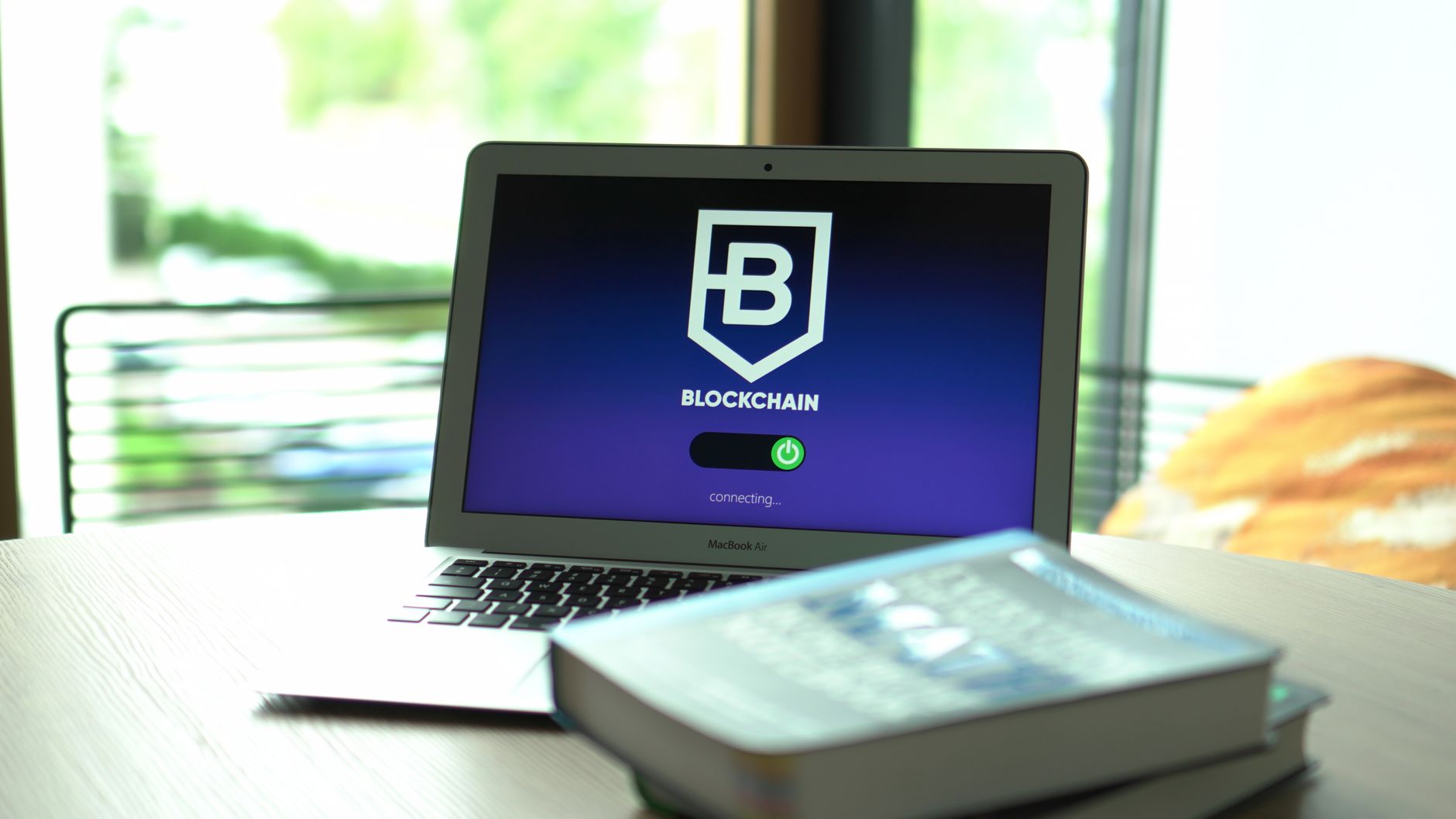
Understanding the Blockchain Basics: From Blocks to Bets & Answering Your "How Does This Even Work?" Questions
At its core, a blockchain is a decentralized, distributed ledger that records transactions across many computers. Imagine it as a digital notebook where every page (a 'block') is filled with validated information, and once a page is complete, it's permanently linked to the previous one, forming a chronological chain. This immutability is key: once a transaction is recorded in a block and added to the chain, it's incredibly difficult to alter or remove. Each block contains a cryptographic hash of the previous block, a timestamp, and transaction data, ensuring integrity and transparency. This fundamental structure is what allows for secure and verifiable record-keeping without the need for a central authority, powering everything from cryptocurrencies to supply chain management. Understanding this foundational concept is the first step in demystifying the entire blockchain ecosystem.
So, how does this intricate system actually work in practice, especially when we talk about 'bets' or complex applications? When a new transaction occurs – whether it's sending cryptocurrency, registering a land deed, or placing a bet on a decentralized application – it's broadcast to a network of computers (nodes). These nodes then verify the transaction against a set of predetermined rules. Once validated, the transaction is bundled with others into a new block. This new block then undergoes a 'consensus mechanism,' like Proof of Work (PoW) or Proof of Stake (PoS), where nodes compete or are chosen to add the block to the existing blockchain. Once successfully added and verified by the majority of the network, the transaction is considered final and irreversible. This robust, multi-step process ensures the security and trustworthiness of the data, addressing those 'how does this even work?' questions with a sophisticated, yet elegant, solution.
A cryptocurrency casino offers a modern and often anonymous way to gamble online, utilizing various digital currencies like Bitcoin and Ethereum for deposits, withdrawals, and gameplay. These platforms are gaining popularity due to their enhanced security features, faster transactions, and the potential for provably fair gaming, allowing players to verify the fairness of each game round.
Practical Payouts & Provably Fair Play: Tips for Navigating Blockchain Casinos and What to Look For
When venturing into the exciting world of blockchain casinos, understanding the concepts of practical payouts and provably fair play is paramount for a secure and enjoyable experience. Practical payouts refer to the efficiency and reliability of withdrawing your winnings. Look for casinos that offer a variety of cryptocurrency withdrawal options with transparent fees and reasonable processing times. Avoid platforms with excessively high minimum withdrawal limits or convoluted verification processes that can delay access to your funds. A truly user-centric blockchain casino prioritizes swift and straightforward transactions, reflecting the very essence of decentralized finance.
Provably fair play is the cornerstone of trust in blockchain gaming. It leverages cryptographic algorithms to guarantee that game outcomes are genuinely random and untampered with, allowing players to independently verify the fairness of each round.
When selecting a blockchain casino, always prioritize those that prominently display their provably fair mechanisms and offer clear instructions on how to verify game results. Key indicators include publicly accessible seed numbers, cryptographic hashes, and server seeds. A reputable platform will provide tools or links to third-party verifiers, empowering you to confirm that the house edge isn't unfairly manipulated. Don't settle for vague assurances; demand verifiable proof of fairness for true peace of mind.