Understanding the Basics: How Blockchain Technology is Revolutionizing Online Gambling
Blockchain technology is at the forefront of a digital transformation in various industries, and online gambling is no exception. By leveraging the decentralized and transparent nature of blockchain, online gambling platforms are enhancing security and fairness for users. Traditional online casinos often rely on centralized systems, which can be vulnerable to hacking or fraudulent activities. In contrast, blockchain provides a secure ledger that records all transactions in a tamper-proof manner. This means players can verify the integrity of their bets and payouts, fostering trust in the platform.
Furthermore, blockchain technology simplifies the process of payment processing in online gambling. With cryptocurrencies now widely accepted, players can enjoy faster transactions with reduced fees. Smart contracts, which are self-executing contracts with the terms directly written into code, automate payouts and ensure that players receive their winnings instantly. This not only enhances user experience but also attracts a broader audience looking for a more streamlined and anonymous gambling experience. As the adoption of blockchain continues to grow, it is clear that this innovative technology is set to revolutionize the future of online gambling.
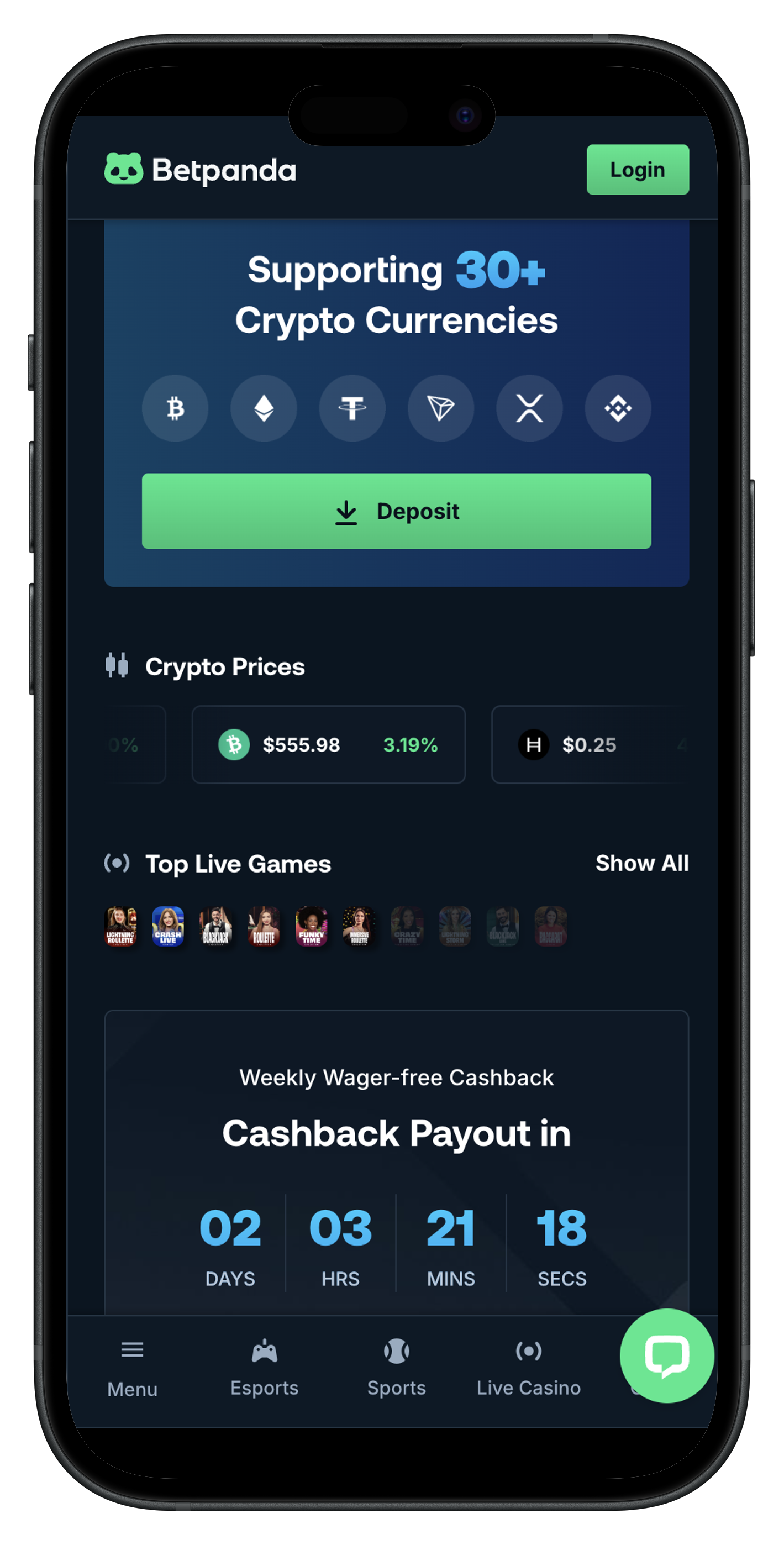
In recent years, the emergence of a crypto casino has transformed the online gambling landscape, offering players the chance to wager using cryptocurrencies. These platforms provide a unique blend of anonymity and fast transactions, appealing to a new generation of gamblers. With a variety of games ranging from slots to poker, the crypto casino environment is continuously evolving, attracting both casual players and high rollers.
Crypto Casinos Explained: The Benefits and Risks of Gaming in the Blockchain Era
Crypto casinos represent a revolutionary shift in the online gaming landscape, leveraging the power of blockchain technology to provide a unique and convenient gaming experience. One of the primary benefits of these platforms is the enhanced privacy they offer; transactions made with cryptocurrencies like Bitcoin and Ethereum are often anonymous, which appeals to players concerned about their digital footprint. Additionally, many crypto casinos operate with lower fees and faster transaction times compared to traditional online casinos. The use of smart contracts also ensures transparency, allowing players to verify game fairness and payout ratios easily, thus enhancing trust within the gaming community.
However, it’s essential to recognize the risks associated with gaming in the blockchain era. The volatile nature of cryptocurrency prices can lead to significant fluctuations in bankroll value, which may catch inexperienced players off guard. Furthermore, the regulatory landscape for crypto casinos is still evolving, leaving many operators in legal gray areas. This lack of regulation can expose players to operational risks, such as potential fraud or the sudden closure of a casino without warning. Therefore, while the prospects of crypto casinos are enticing, players should approach with caution and conduct thorough research before engaging in online gambling.
Is Your Game Fair? Exploring Transparency and Security in Blockchain-Based Gaming
The rise of blockchain technology has significantly transformed the gaming landscape, bringing forth questions about the transparency and security of blockchain-based games. Unlike traditional gaming systems, where developers control all aspects of the game, blockchain introduces a decentralized model that allows players to verify transactions and ownership of in-game assets. This new paradigm raises critical inquiries about whether the games are genuinely fair. What measures are developers taking to ensure that gameplay is equitable and that players are not exploited? By leveraging smart contracts, game developers can create automated, tamper-proof rules that guarantee fair play.
Furthermore, security in blockchain gaming is paramount to ensuring a safe and enjoyable experience. Players must deposit real money into games, and any vulnerability in the system can lead to significant financial losses. Game developers are now focusing on implementing robust security protocols, including end-to-end encryption and regular audits, to protect user data and investments. As we examine blockchain-based gaming, it is essential to consider how transparency and security measures impact players' trust. Are the game mechanics genuinely decentralized? Are players empowered to understand the rules? The answers to these questions are vital for the future of fair gaming.