The Rise of Wireless Technology: Why It's the New Standard in Tech
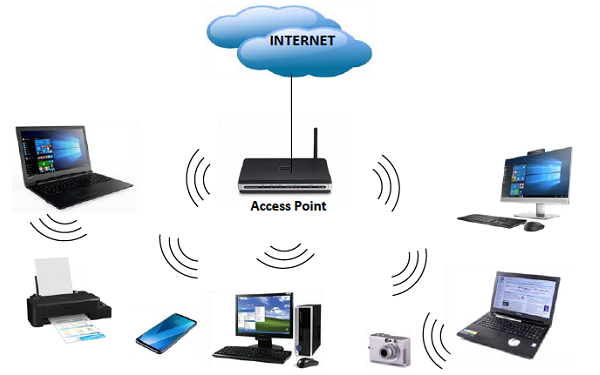
The rise of wireless technology has redefined the landscape of modern communication and connectivity. Gone are the days when cumbersome cables restricted our mobility and productivity. Today, wireless solutions dominate a wide range of applications, from internet connectivity to smart devices, creating seamless interactions in both personal and professional spheres. As more households and businesses embrace this technological evolution, the demand for high-speed wireless networks continues to grow, with advancements in Wi-Fi 6 and 5G technology leading the charge. This shift is not only about convenience but also about enabling a new standard that supports the influx of Internet of Things (IoT) devices transforming our daily lives.
Furthermore, the new standard established by wireless technology extends beyond convenience, paving the way for innovative applications and enhanced user experiences. With features like low latency and increased bandwidth, wireless solutions empower industries to enhance efficiency in sectors such as healthcare, education, and entertainment. For instance, telemedicine has seen a significant boost, allowing healthcare providers to deliver care remotely, while the growth of online learning relies heavily on robust and dependable wireless connectivity. As we move forward, it is evident that embracing wireless technology is no longer a choice but a necessity for staying competitive in an increasingly digital world.
Counter-Strike is a highly popular first-person shooter game that pits two teams, terrorists and counter-terrorists, against each other in various objective-based scenarios. Players can choose to engage in cooperative modes or competitive matches, utilizing strategy and teamwork to secure victory. For gamers looking for the best audio experience, check out the Top 10 Earbuds for Small Ears to enhance their gaming sessions with crystal-clear sound.
How Wireless Solutions are Transforming Business Operations
Wireless solutions are revolutionizing business operations by enhancing connectivity and collaboration among teams. With the advent of technologies like Wi-Fi 6 and advanced cellular networks such as 5G, organizations can now leverage high-speed internet and real-time communication tools. This not only streamlines workflows but also enables remote work, allowing employees to stay connected and productive from anywhere. As a result, businesses can optimize their resources, reduce overhead costs, and respond more quickly to customer needs, ultimately improving their bottom line.
Furthermore, adopting wireless technologies empowers companies to implement innovative applications and devices that facilitate data sharing and analytics. For instance, IoT (Internet of Things) devices can be deployed across various segments of a business, collecting valuable insights that drive informed decision-making. By harnessing the power of real-time data, businesses can enhance operational efficiency and create personalized customer experiences. In this fast-paced digital landscape, companies that embrace wireless solutions will gain a competitive edge, ensuring their long-term success.
Is Wireless the Future? Exploring the Benefits and Challenges of Going Wireless
The question of whether wireless technology is the future of connectivity is becoming increasingly relevant as our world becomes more digital. With the rise of devices that rely on wireless connections, such as smartphones, laptops, and smart home gadgets, the benefits of going wireless are evident. Wireless technology offers unparalleled convenience and mobility, allowing users to connect to the internet and communicate with others without being tethered to a physical location. This freedom has not only improved personal productivity but has also transformed how businesses operate, enabling remote work and collaboration across geographical boundaries.
However, embracing a wireless future comes with its own set of challenges. One of the primary concerns is the reliability and security of wireless networks. Interference from other devices, environmental factors, and potential security vulnerabilities can pose significant risks. Additionally, wireless technology often comes with limitations regarding speed and bandwidth compared to wired alternatives. As we continue to explore the implications of a wireless future, balancing the advantages with these challenges will be essential for ensuring a robust and secure digital landscape.