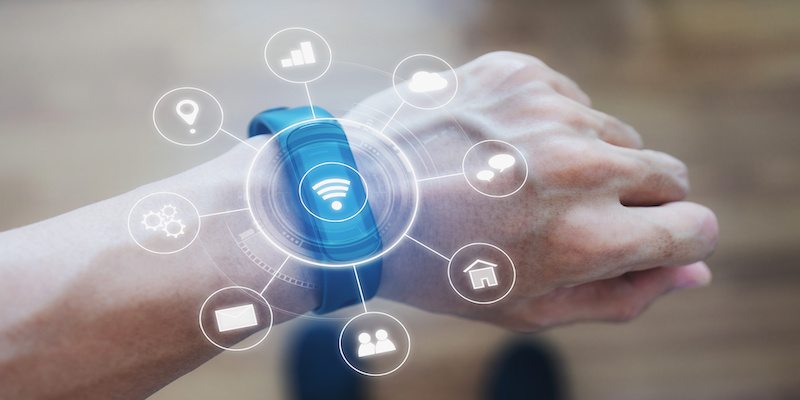
The Rise of Smart Wearables: Empowering Decision-Making or Eroding Autonomy?
The advent of smart wearables has transformed the landscape of decision-making for consumers and professionals alike. These devices, ranging from fitness trackers to smartwatches, offer real-time data that can empower users to make informed choices about their health, productivity, and lifestyle. For instance, a study from the University of California highlights that individuals using wearables can track their physical activity, monitor heart rates, and even manage stress, thereby improving their overall well-being. As these technologies continue to evolve, we see an increasing integration of artificial intelligence that personalizes recommendations, pushing users toward healthier habits with tailored insights.
However, this technological advancement raises a critical question: are we becoming overly reliant on smart wearables, potentially eroding our autonomy? Critics argue that as we lean more on these devices for everyday decision-making, we risk delegating too much control to algorithms that might not consider the complex nuances of our individual lives. Self-awareness and intuitive decision-making could diminish if users depend exclusively on suggestions generated by their wearables. Hence, the rise of smart wearables presents a double-edged sword, balancing between enhancing our capabilities and challenging our autonomy.
Counter-Strike is a highly popular multiplayer first-person shooter game that has created a competitive gaming community worldwide. Players choose to be part of either the terrorist or counter-terrorist team, engaging in strategic gameplay to complete objectives. For those interested in gaming-related gifts, check out these Top 10 Tech Gifts for Women that could enhance your gaming experience.
How Wearable Tech is Transforming Personal Health Management: Are We Ready to Trust Our Gadgets?
The rise of wearable tech has fundamentally transformed the way we manage our personal health. Devices such as smartwatches and fitness trackers now allow users to monitor vital signs, track physical activities, and even analyze sleep patterns in real time. This newfound accessibility of health metrics not only empowers individuals to take charge of their well-being but also fosters a more proactive approach to healthcare. However, as we increasingly integrate these gadgets into our daily lives, the question arises: are we ready to trust our gadgets with our health data?
Trust is a crucial component when it comes to the adoption of wearable technology. While many users appreciate the convenience and personalization that these devices provide, concerns about data privacy and the accuracy of the information collected persist. According to various studies, up to 30% of users hesitate to fully rely on their wearables due to fears of misinterpretation or misuse of their health data. As technology continues to evolve, manufacturers must prioritize transparency and reliable data sharing to build the trust necessary for widespread acceptance. Ultimately, the journey towards seamless health management through wearable devices hinges not only on innovation but also on fostering trust between users and their gadgets.
What Happens When Devices Decide? Exploring the Ethical Implications of Wearable Technology
The advent of wearable technology has revolutionized our interaction with devices, but it also raises critical ethical questions about autonomy and decision-making. When devices equipped with artificial intelligence begin to influence our daily lives, they may make choices on our behalf, from health monitoring to lifestyle suggestions. What happens when devices decide? This question becomes increasingly relevant as we consider scenarios where wearable tech tracks our health metrics and employs algorithms to suggest treatments or lifestyle changes. Such capabilities can enhance our well-being, but they also risk undermining human agency, as users may follow device recommendations without fully understanding or questioning their implications.
Furthermore, the ethical landscape of wearable technology is complicated by concerns surrounding data privacy and consent. Wearable devices often collect vast amounts of personal information, raising questions about who owns this data and how it is used. For instance, when devices analyze users' health details and market that data to third parties, it creates a dilemma over who benefits when devices decide. As we move forward into an era of increasingly autonomous devices, society must grapple with these ethical implications, ensuring that the balance between technological advancement and personal autonomy is carefully maintained.