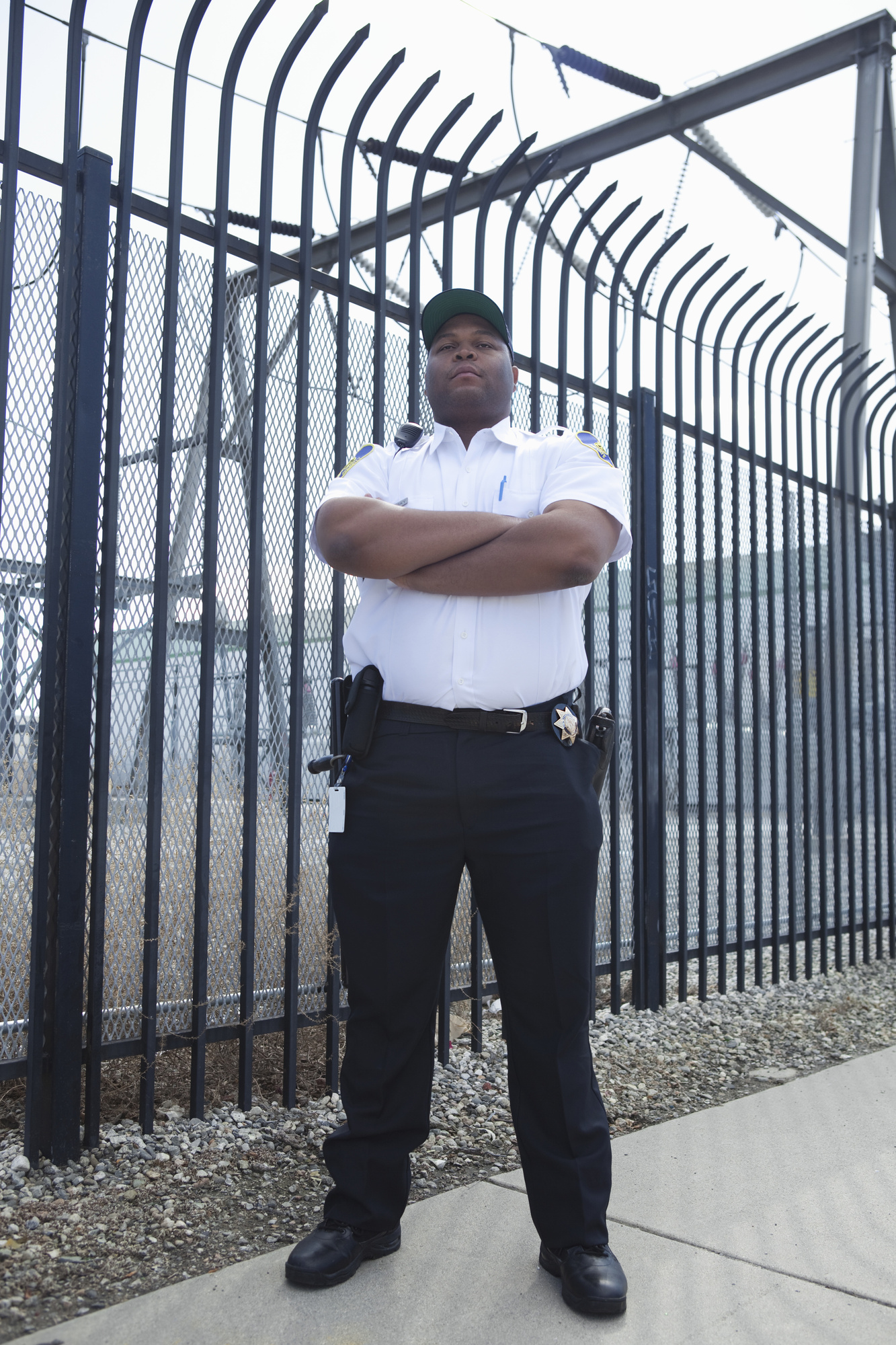
The Importance of Laughing at Danger: How Humor Can Enhance Your Safety Measures
In today's fast-paced world, it's essential to acknowledge the role of humor in enhancing our safety measures. Laughing at danger can serve as a coping mechanism, allowing us to deal with potentially stressful situations more effectively. By incorporating humor into safety training and discussions, we can foster a culture that embraces safety awareness while simultaneously reducing anxiety. This approach encourages individuals to remain calm under pressure and think critically when faced with hazards. When laughter becomes part of the safety dialogue, it transforms fear into resilience, helping us approach dangers with a healthier mindset.
Moreover, humor acts as a powerful tool for communication, making safety messages more memorable and relatable. When we laugh at danger, we create an engaging atmosphere that encourages open conversations about risks and precautions. For instance, using comedic examples in safety presentations or creating humorous safety campaigns can significantly increase audience engagement and retention of information. This blend of fun and seriousness not only raises awareness but also strengthens our ability to respond effectively to emergencies. Embracing humor in safety measures ultimately cultivates a proactive mindset centered around risk management and personal responsibility.
Counter-Strike is a highly popular first-person shooter game that pits teams of terrorists against counter-terrorists in a variety of objective-based game modes. Players can choose from a wide array of weapons and strategies to outsmart their opponents. For those looking to enhance their biking experience, check out the Top 10 airtag bike mounts which can help you keep track of your bike while on the go.
How to Make Safety Fun: Creative Ways to Incorporate Humor into Your Security Protocols
Incorporating humor into your security protocols can transform a mundane experience into an enjoyable one. One effective strategy is to create funny safety videos that illustrate key safety protocols through humor. Consider using animated characters that encounter various safety scenarios, leading to humorous outcomes that emphasize the importance of adhering to the rules. For instance, a cartoon character might slip on a banana peel while attempting to demonstrate proper ladder safety, providing a laugh while delivering a crucial message. This not only makes the content more engaging but also makes it memorable.
Another creative way to bring humor into safety training is through interactive workshops. Organizing games or quizzes with a comedic twist can reinforce important security measures without the usual dry format. For example, a ‘Safety Jeopardy’ game could feature categories like ‘Bizarre Safety Fails’ and ‘What Not to Do’, encouraging participants to think critically while laughing at ridiculous scenarios. Incorporating funny posters or memes in the workplace as constant reminders also helps, as humor often breaks the ice and fosters open discussions about safety, making it a more approachable subject.
Is Your Security Plan a Joke? Exploring the Role of Humor in Effective Safety Strategies
When it comes to security plans, the serious nature of the topic can often overshadow one crucial element: humor. While it may seem counterintuitive to incorporate levity into safety strategies, employing humor can actually enhance engagement and retention of vital information. A well-timed joke or a lighthearted anecdote can break the ice, making discussions about security less intimidating and more approachable for teams and individuals alike. After all, when people are at ease, they're more likely to absorb and remember the essential protocols that keep them safe.
Moreover, using humor in safety training can foster a positive culture around security practices. Rather than making employees feel like they are being lectured, infusing an element of fun can promote camaraderie and open communication. Consider creating interactive workshops where participants can share their own humorous experiences related to security mishaps or near misses. Not only does this create a memorable learning environment, but it also encourages everyone to take personal responsibility for their safety. Ultimately, by recognizing that your security plan should not only inform but also engage, you can transform a dry subject into a vital and dynamic part of your organizational culture.