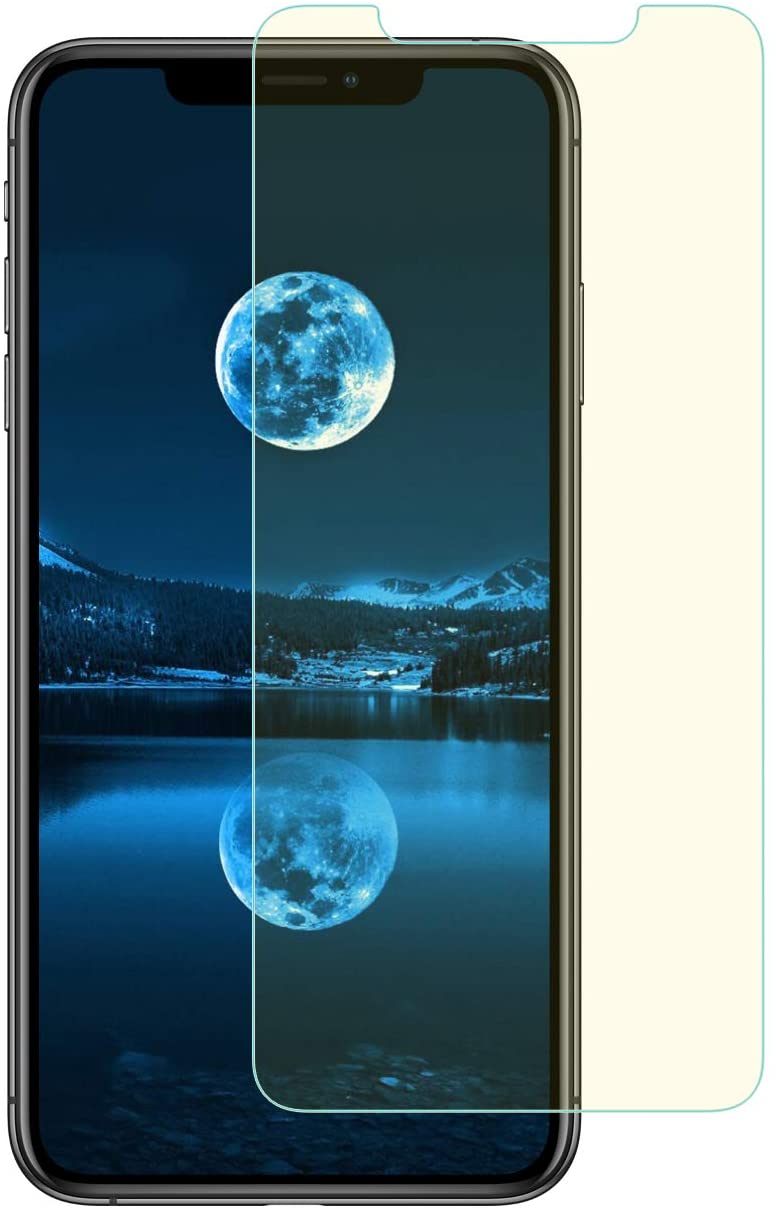
How Do Screen Protectors Work? Unveiling the Technology Behind Your Phone's Defense
Screen protectors are designed to shield your device's display from scratches, cracks, and other forms of damage. They work by utilizing advanced materials that absorb impact and distribute the force across the surface of the screen. The most common types include tempered glass and plastic film. Tempered glass protectors are made by heating and cooling glass to increase its strength, while plastic film protectors use polymers that provide a more flexible and lightweight option. Understanding how these materials function can help you choose the right protection for your device.
When a screen protector is applied, it acts as a barrier between your screen and potential hazards like keys, coins, or even drops. The protective layer absorbs the shock from impacts, and if a screen protector does crack, it usually does so without transferring damage to the actual screen of your phone. Most modern screen protectors also feature anti-reflective and anti-fingerprint coatings, enhancing your viewing experience while keeping your phone's screen clean. By investing in a quality screen protector, you're effectively extending the lifespan of your device, ensuring it looks and works great for years to come.
Counter-Strike is a highly popular first-person shooter game that emphasizes teamwork and strategy. Players join either the terrorist or counter-terrorist team to compete in various game modes, such as bomb defusal and hostage rescue. To enhance your gaming experience, check out the Top 10 iphone air accessories that can provide you with the tools you need for success.
Top 5 Benefits of Investing in a High-Quality Screen Protector for Your Smartphone
Investing in a high-quality screen protector for your smartphone comes with numerous benefits that can enhance your device's longevity and user experience. One of the top advantages is screen protection. High-quality screen protectors are designed to absorb impact from drops and scratches, effectively safeguarding your device's display from potential damage. With a robust screen protector, you can enjoy peace of mind knowing your smartphone’s screen is less likely to crack or shatter, thus extending its lifespan and reducing repair costs.
Another key benefit of using a high-quality screen protector is improved visibility and responsiveness. Many premium protectors are made with advanced materials that maintain clarity and touch sensitivity, ensuring that your screen remains vibrant and easy to navigate. Additionally, some screen protectors come with anti-glare features that make it easier to use your smartphone outdoors, allowing for a better overall user experience. In summary, investing in a high-quality screen protector not only preserves your device's aesthetics but also enhances its functionality.
What Type of Screen Protector Should You Choose: Tempered Glass vs. Plastic Film?
When it comes to choosing a screen protector, you often find yourself weighing the options between tempered glass and plastic film. Each type has its unique benefits and drawbacks. Tempered glass screen protectors offer enhanced durability and are known for providing superior protection against scratches and drops. They maintain a high level of clarity and touch sensitivity, ensuring that your device remains functional and visually appealing. Customers frequently praise tempered glass for its ability to absorb impact, making it an ideal choice for those with active lifestyles or who frequently drop their devices.
On the other hand, plastic film protectors are often more affordable and can be a great option if you're looking for basic protection. They are thinner and more lightweight, making them less noticeable once applied. However, they may not provide the same level of damage resistance as tempered glass. It's important to consider your lifestyle and how much protection you need when making a choice. If you seek ultimate protection and are willing to invest a bit more, tempered glass is the way to go. For casual users or those on a tighter budget, plastic film can suffice for everyday use.