Are Blue Light Glasses Harming Your Eyes More Than You Think?
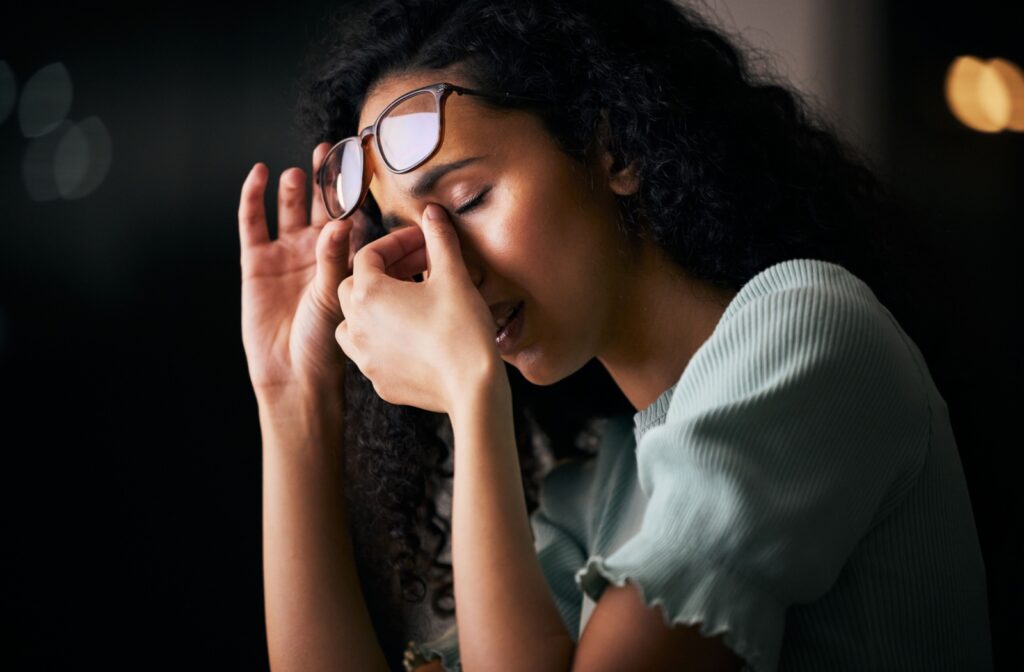
As we spend more time in front of screens, the popularity of blue light glasses has surged, purportedly to protect our eyes from the adverse effects of blue light emitted by digital devices. However, recent studies suggest that while these glasses might reduce glare and improve visual comfort, they may not offer the protective benefits they claim. According to optometrists, the actual damage caused by blue light to our eyes is minimal compared to other factors, such as prolonged screen time and poor posture. This raises the question: Are we placing too much faith in blue light glasses to safeguard our vision?
Moreover, over-reliance on blue light glasses can lead to a false sense of security, encouraging users to neglect other essential eye care practices. For instance, the 20-20-20 rule recommends that for every 20 minutes spent looking at a screen, we should take a 20-second break to look at something 20 feet away. Ignoring this guideline, even while wearing blue light glasses, could still result in digital eye strain and discomfort. Thus, while blue light glasses may provide some benefits, they should not replace proper eye care habits and should be considered as a complementary tool rather than a primary solution.
Counter-Strike is a popular first-person shooter game where players assume the roles of terrorists or counter-terrorists, competing to complete objectives or eliminate the opposing team. The game's intense gameplay and strategic elements have captivated millions around the world. Players often suffer from eye strain due to prolonged gaming sessions, so exploring Top 10 Phone Accessories for Eye Strain can help mitigate these effects, ensuring a more enjoyable gaming experience.
Understanding the Science: Do Blue Light Glasses Really Reduce Eye Strain?
Understanding the science behind blue light glasses is essential for anyone concerned about eye strain, especially in our digital age. Blue light, emitted from screens and artificial lighting, can cause discomfort, fatigue, and even disrupt sleep patterns. Studies suggest that prolonged exposure to blue light can lead to digital eye strain, a condition characterized by dryness, irritation, and difficulty focusing. While some users swear by blue light glasses for relief, the scientific community remains divided. Research indicates that while these glasses may reduce glare and improve visual comfort, their effectiveness in significantly reducing eye strain is still under examination.
Moreover, it’s crucial to consider factors beyond blue light exposure when addressing eye strain. Maintaining proper screen distance, adjusting lighting conditions, and taking regular breaks using the 20-20-20 rule—looking at something 20 feet away for 20 seconds every 20 minutes—can also contribute significantly to eye comfort. Blue light glasses may offer some advantages, but relying solely on them without adopting holistic eye care practices could limit the overall effectiveness in alleviating symptoms associated with digital eye strain.
Could Your Blue Light Glasses Be the Unexpected Cause of Your Discomfort?
Have you ever considered that your blue light glasses, often touted for their protective benefits against screens, could be the unexpected cause of your discomfort? While many individuals use these glasses to reduce eye strain and improve sleep quality, they may not realize that the wrong pair could lead to headaches, visual distortion, or even fatigue. Factors such as the wrong lens tint, inadequate prescription, or poor fit can all contribute to negative side effects that may leave you questioning their effectiveness.
If you frequently experience discomfort while using your blue light glasses, it might be time to examine your choice more closely. Here are a few things to consider:
- Have you had your eyes checked recently to ensure your prescription is up to date?
- Are you using glasses that are specifically designed for blue light blocking or merely a fashion statement?
- Do they fit properly without slipping or pressing too hard on your temples?